


AI photography vs stock photography: which is right for your brand?
AI photography and stock photography are both useful sources of visual content, but they serve different purposes.
2/27/20262 min read

AI photography vs stock photography: which is right for your brand?
Advantages of AI photography
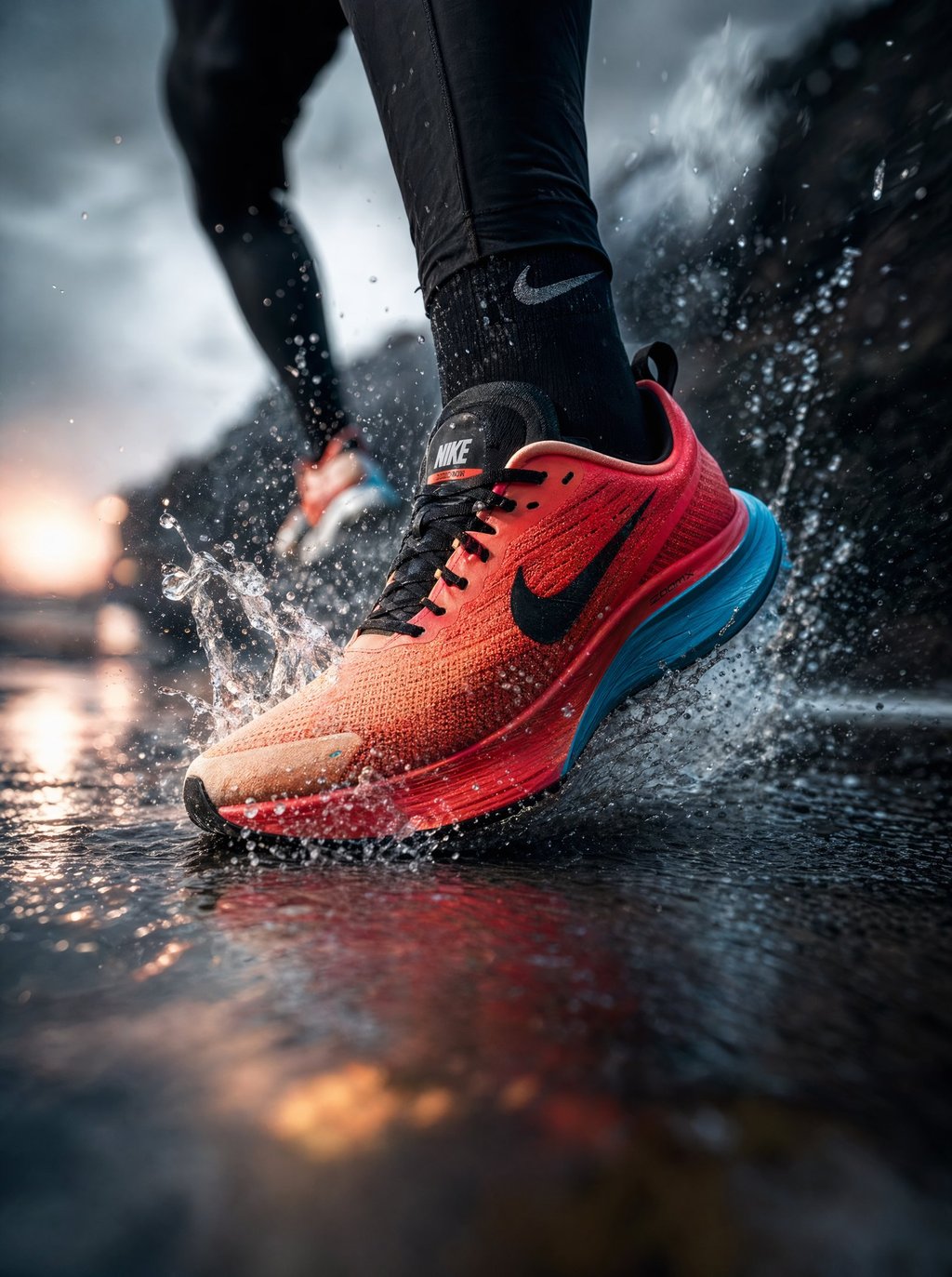
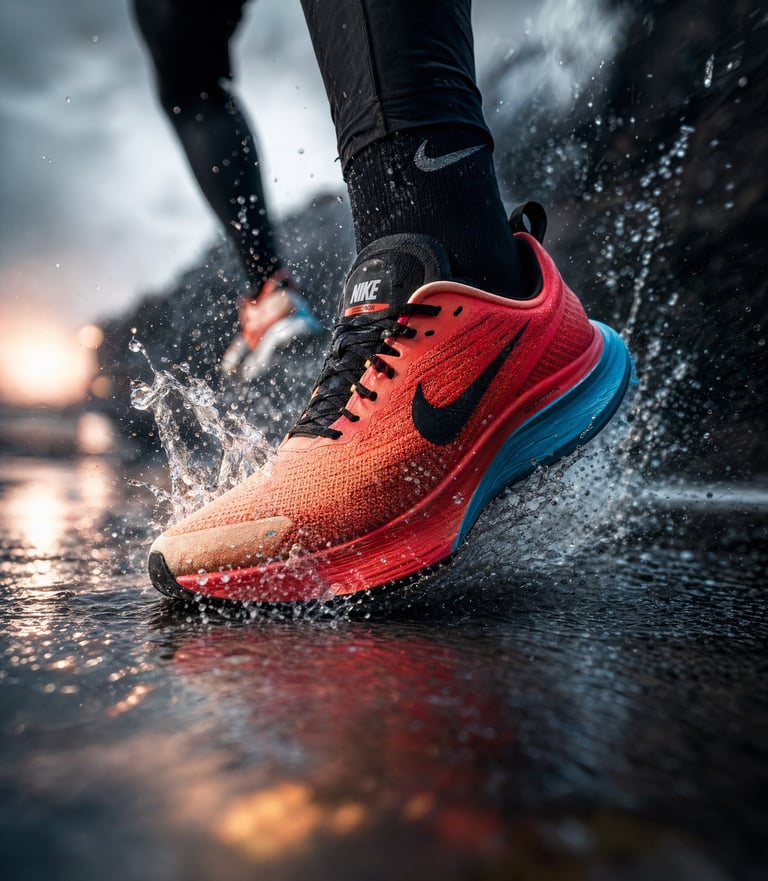
Flexibility and uniqueness. Custom models let you generate scenes that don’t exist in stock libraries. For example, you can place a product in a café at sunset using your brand colours. Runway Gen-4 can maintain consistent characters across scenes, and Firefly allows you to train models on your own style.
Consistency at scale. With a trained model, you can produce thousands of images that share the same look and feel. This supports brand consistency and reduces the cost of photoshoots.
Local and seasonal relevance. AI can incorporate regional architecture, weather or cultural details into visuals. Local adaptation increases resonance with regional audiences and improves AI search visibility.
Rapid iteration. AI accelerates ideation and allows you to test multiple concepts quickly. You can generate several compositions and choose the most effective after applying the human filter.
A nuanced comparison
AI photography and stock photography are both useful sources of visual content, but they serve different purposes. AI photography leverages generative models to create bespoke images that match your brand identity and local context. Stock photography offers ready-made, legally clear images but lacks uniqueness. In 2026, choosing between them depends on your goals, resources and ethics.
Risks and drawbacks of AI photography
Risk of generic slop. Without careful prompts or training, AI outputs can look like the average of the internet and fall into AI slop. Over-reliance on AI without strategy leads to generic visuals.
Ethical concerns. AI can inadvertently generate likenesses of real people or elements that resemble copyrighted works. The xAI/Grok case highlights the danger of generating images without consent. Synthetic performers must be ethically licensed and disclosed.
Labelling requirements. From August 2026, AI-generated content must be labelled in the EU, and 83% of consumers expect transparency. Failing to disclose can damage trust.
Initial investment. Training a custom model requires time and high-quality source images.
Advantages of stock photography
Immediate availability. You can find a professional, licenced photo quickly and use it without model training.
Legal clarity. Stock agencies secure model releases and copyright licences, reducing risk.
Professional quality. Many stock photos are shot by seasoned photographers with high production values.
Limitations of stock photography
Lack of distinctiveness. Your competitors may use the same images, diluting your brand identity.
Limited local relevance. Stock libraries rarely include specific Dutch towns or unique settings, making it harder to create locally resonant visuals.
Consistency challenges. Finding multiple stock photos that share the same models, lighting and style is difficult.
When to choose which
Use AI when you need unique, on-brand visuals that cannot be found in libraries or when you want to integrate local or seasonal elements.
Use stock when you need a quick, legally sound image and don’t have time or resources to train a model-particularly for background or generic scenes.
Adopt a hybrid strategy. Combine AI-generated hero images with stock background assets. Use AI for distinctive product shots and local narratives, and stock for supportive visuals. Always filter AI outputs through human judgement and disclose when a visual is generated.
In short, AI and stock photography are complementary tools. By understanding their strengths and limitations, you can choose the right medium for each campaign and maintain a consistent, authentic brand.
Get in touch
+31 6 20 66 38 46
info@aibrandmodel.com
© 2026 AiBrandModel · Every visual on this website is AI-generated.